Pastels are commonly used with polymer clay, and for good reason. They’re very versatile and can be used in many ways with our polymer clay work. Here is a summary of what pastels are and how to use them with polymer clay.
What are Pastels?
Pigments are the “stuff”, usually a powder, that gives things color. Blue paint is blue because it’s made of blue pigment.
If you apply pigments to the surface of a canvas, they will easily wash or brush off. So artists use various binders to create paint that will stick better to the surface. Oil paints use linseed oil. Watercolors use gum arabic. Acrylic paints use acrylic medium. Tempera (originally) used egg yolk. But there’s another type of painting that doesn’t use a binder to adhere the pigment. Pastel painting relies on the “tooth” of the paper to hold the applied pigment. The paper fibers themselves hold the pigment particles. When the pastel painting is finished, a fixative is typically sprayed onto it to stabilize the pigment. (Important note: Be very cautious when using sprays with polymer clay.)

Because of the way pastels are applied to paper and fixed later, the pastels are very nearly pure pigment. They contain just enough extra ingredients to press into a stick, similar to chalk. These pastel sticks are what artists hold, like a pencil, when they apply the colors to the paper.
Oil Pastels vs Soft Pastels
There are two types of pastels, oil pastels and soft pastels. Oil pastels have an oily base, similar to lipstick but less creamy, and aren’t used much with polymer clay. They can be chopped up and mixed into the clay, but they aren’t terribly versatile for our use. (And I do welcome experimentation with them! You might find a neat way for them to be used.)

Soft pastels appear similar to chalk (but artists balk when you call them chalks…they’re not). Artist-quality pastels are very soft and contain high-grade pigment with very few fillers. These soft pastels are nearly pure pigment and can be pretty pricey. They are very soft, and the pigment applies very easily to the paper.
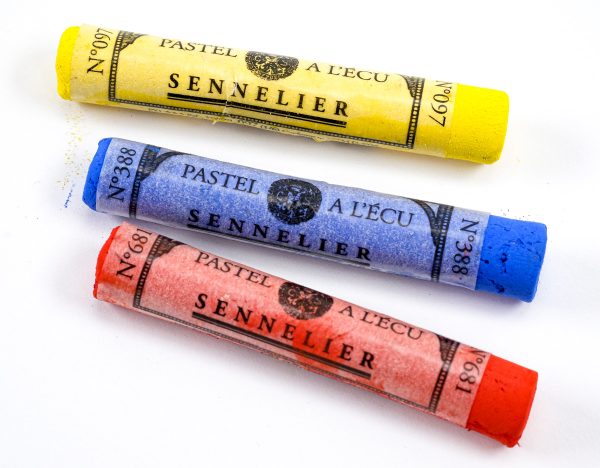
Craft-quality soft pastels sold in sets at the craft store tend to have more fillers (yes, such as chalk) that make the sticks harder and the color less likely to come off. Inexpensive soft pastels need to be scraped to release the color, and you might be frustrated by their granular texture and low pigment density. On the other hand, cheap pastel sets are a great way to get started and experiment.

Pastels and Polymer Clay
Because pastels don’t have any binder or adhesive, there’s nothing to hold them when applied to a plain surface, such as baked polymer clay. But unbaked polymer clay is naturally sticky. Pastels applied to the surface of raw polymer clay will stick tightly, leaving a colored surface. In fact, you can “paint” with pastels on the surface of raw polymer in much the same way that artists paint with them on paper. You can apply a heavy, solid laydown of color. Or you can lightly brush the colors to create contours and shading (just as with makeup).
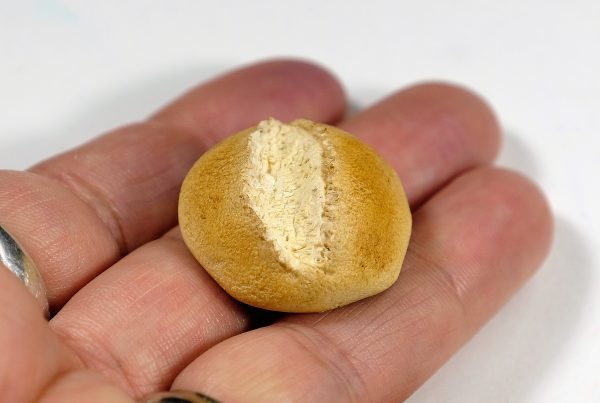
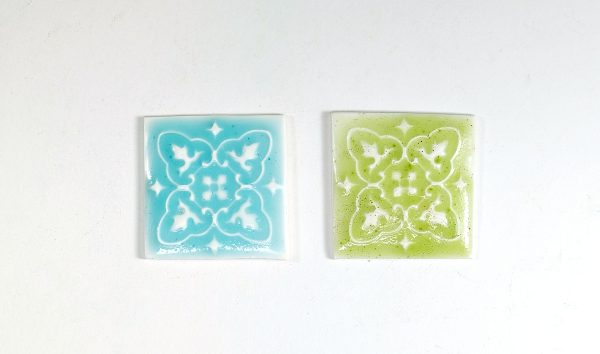
Pastels consist almost entirely of pigment, so pastel powder can also be mixed into various mediums to color them. This includes varnish, liquid clay, acrylic media, and yes, raw polymer clay. You can even create interesting faux ceramic effects by mixing the pastels into liquid clay that is then poured over a texture.
Application Tools
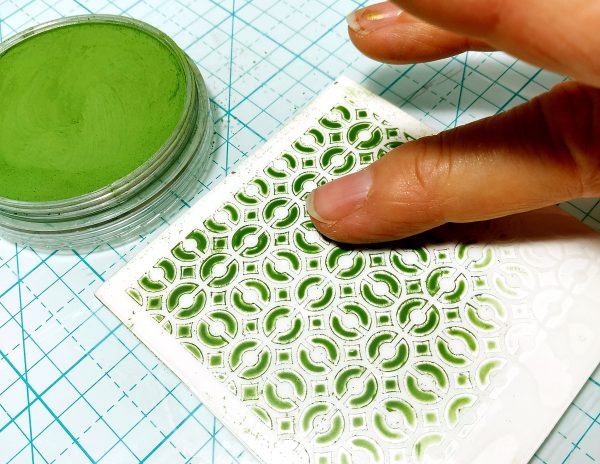
Just as when applying blush or eye shadow to skin, you can use your finger, a brush, or a sponge applicator. If you’re using artist-quality soft pastels, they’re usually soft enough that the color comes off the stick quite easily, so you can rub the stick with a brush or your finger to load up. But with harder pastel sticks, you’ll need to scrape the stick to release a fine powder of pigment. This is very easy if you use your blade or a craft knife. Make a small pile of powder and apply it to your polymer with a brush, sponge, or finger. If you scrape more pastel powder than you’ll use, you can easily store it in tiny plastic containers like these paint pot strips. Then you’ll have the powders ready in advance.
What Kind of Brushes?
I use inexpensive craft paint brushes for applying pastels. The brushes should be fluffy enough to hold powder and soft enough not to scratch the surface of the polymer clay. Makeup brushes actually work very well. You can find them cheaply from online marketplaces like Amazon.

I don’t typically clean them after each use. Instead, I have a selection of brushes that I use for the purpose, each one sticking with a color family. Periodically, I wash the whole lot with soap and water.
Applying Pastels to Unbaked Polymer Clay
Unlike mica powders, which cannot be layered, you can add many layers of pastels to unbaked polymer clay if you’d like. Just as with adding blush to your own cheeks, a light dusting of color can be very effective for a subtle effect. It’s common to use red or pink pastels to add a rosy glow to the cheeks of a figure, for example. But the unique character of pastels applied with a brush allows you to create lifelike shading by artfully choosing how you apply the colors. Whereas paint can look thick and fake, pastels can be used in thin layers, creating artful impressions of real life.
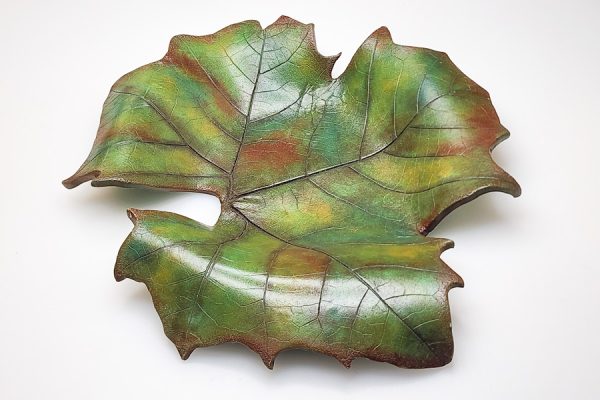
But the clay’s oils will soak into the powdered pigment, allowing the applied color to become one with your creation. This means you can keep applying more and more color, shading as you go, building intense colors on the clay. This is a point that’s sometimes hard to fully realize. The pastels can be applied VERY thickly, and the colors can layer to create a surface that is not possible with any other medium. Students often underestimate this and tend to apply pastels with a light hand, as you would eye shadow. Keep going. The clay will hold a LOT of color! No, I’m serious. It’s more than you think.
Fixing and Finishing Pastels
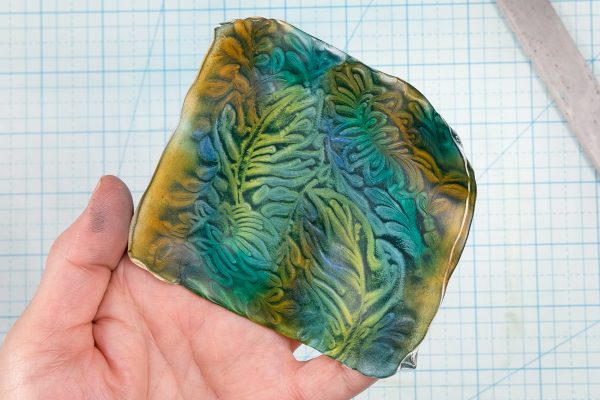
Because pastels applied to the surface of unbaked polymer clay will “soak into” the surface, they’re relatively durable after baking. They don’t generally rub off. If the item needs protection, you can apply the polymer-safe varnish of your choice. Often, you want to preserve the matte surface and therefore will want a matte varnish. I like CrystaLac Brite Tone Matte (Amazon affiliate link) varnish. You don’t need to use a fixative spray with pastels, as you would with pastel on paper. Learn about sealers here.
That being said, pastel on the surface of polymer clay is a thin layer of color. It can be scratched or abraded if the item is subjected to wear. I would certainly seal it if I used pastels to color polymer for jewelry.
Pastels and Texture
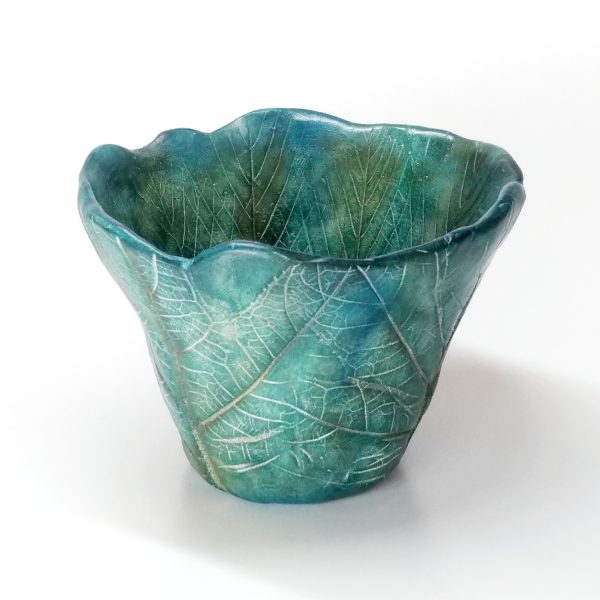
Because higher areas of texture grab more pigment from your brush than the lower areas, soft pastels are perfect for accentuating the texture of what you’re making. As you can see in this pinch pot example, you can apply the color to make the texture much more evident. Try using silkscreens, texture sheets, and found objects (such as leaves) to create textures that you’ll develop by brushing with various colors.
Base Color
You’ll find that the lightness of white polymer clay means that your pastel colors will be much richer than if you’d used a darker color. But you can still apply pastels over any clay color. Expect to see a visual blend in some cases, with the clay color showing through.
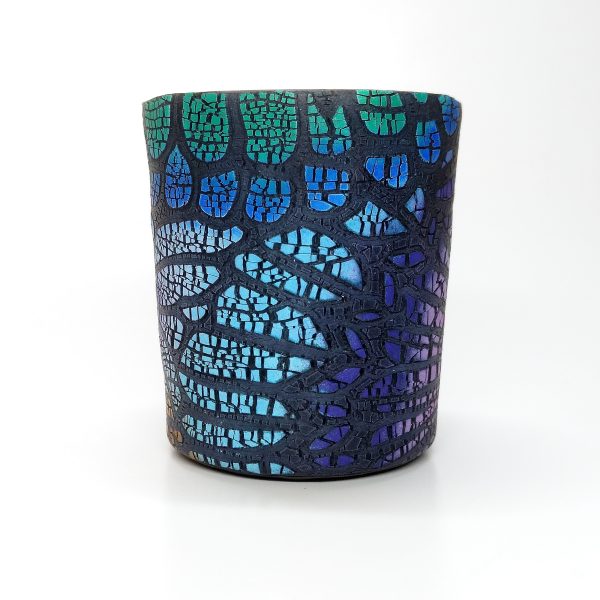
If you apply artist-quality pastels thickly enough, you can even have good results using light colors over black clay. Craft-quality pastels don’t usually have enough pigment density to appear light over dark clay, however.
What About Eye Shadow?
Eye shadow is pigment. Isn’t that the same thing as pastels? Well, yes and no. If the makeup is flat/matte/dull/plain, then yes, it’s close to the same thing, and you can use it interchangeably with pastels. But if there are sparkles, there’s mica in it, and it will behave very differently from pastels. Mica and pigments are not the same thing, and they stick to polymer clay differently. So go through your eye shadow palettes and find the powders that don’t sparkle. They’ll work great instead of pastels!
Pastel Stick vs Pans
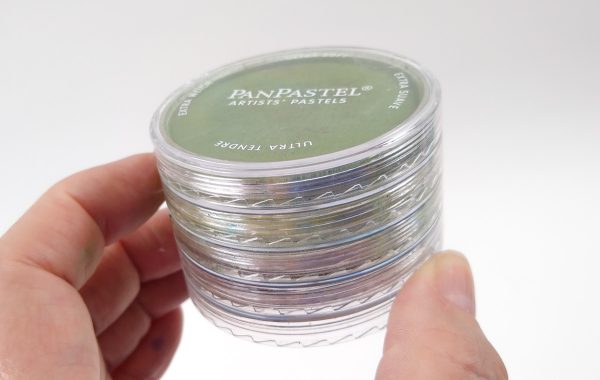
Pastels are traditionally made into sticks (either round or square). All craft quality pastels will be in stick form. There is a brand of artist-quality pastels made into pan form, called Pan Pastel. Created by the trusted fine art company Golden, Pan Pastels are just the same as other artist-quality pastels, but pressed into cake form just like blush or eye shadow. Many polymer artists prefer using Pan Pastels for their high quality and ease of application. More on Pan Pastels vs Soft Pastels here.
Note: I first published a variation of this article in Blue Bottle Insiders in 2021 as part of a community challenge on using pastels in your work.
Can I use pastels on baked clay? - You can, but the powder won't stick to the baked clay unless you use a binder of some sort like liquid clay. For best control over the color application, apply to unbaked polymer clay.

Do I need to buy expensive pastels? - No, please start with a inexpensive craft quality set. This will introduce you to the concept and help you decide what colors you want to invest in if and when you want to buy an artist-quality pastel like Pan Pastels.

What materials are required for using pastels on polymer clay? - I'd start with white polymer clay, your choice of brand, and an inexpensive set of pastels. You'll also need some brushes and something to apply the pastel with. While your fingers do work, you'll have more control with inexpensive paint brushes or eye shadow applicators.